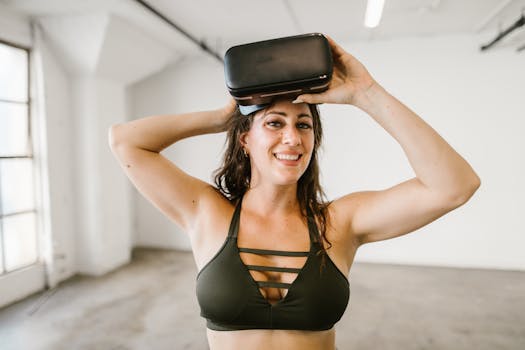
Imagine this: You’re browsing an online store, captivated by a dress. Instead of just seeing static images, you can tap a button, and poof!—the dress appears, perfectly fitted, on your own body, right in your living room. You can walk around, see how it drapes, check the fabric texture, and even coordinate it with your existing shoes, all before hitting “add to cart.” This isn’t science fiction; this is the rapidly evolving reality of augmented reality for clothing. For years, the limitations of online fashion shopping—the uncertainty of fit, the inability to touch and feel, the potential for disappointing returns—have been significant hurdles. But AR is stepping in, bridging the gap between the digital and the tangible, and fundamentally changing how we discover, try on, and even design our clothes.
The Virtual Dressing Room: Bridging the Online/Offline Divide
The most immediate and impactful application of augmented reality for clothing is the virtual try-on. This technology is a game-changer for e-commerce, directly addressing one of the biggest pain points for online shoppers: the fear of getting it wrong.
Accurate Sizing and Fit: Advanced AR applications use sophisticated algorithms and your smartphone’s camera to map your body dimensions. This allows for remarkably accurate simulations of how a garment will fit, reducing the guesswork and the likelihood of receiving ill-fitting items. You can see if a hemline hits just right or if a sleeve has a comfortable drape, all without leaving your home.
Visualizing Texture and Detail: While AR can’t perfectly replicate the feel of fabric, it’s getting remarkably close. High-resolution rendering can showcase the sheen of silk, the weave of denim, or the intricate patterns of embroidery, giving shoppers a much richer visual experience than traditional product photos.
Reducing Returns: For retailers, this means a significant potential reduction in costly returns. When customers are more confident about their purchase due to a realistic AR try-on, the chances of them needing to send items back plummet. This benefits both the bottom line and the environment by cutting down on shipping waste.
Beyond the Try-On: Experiencing Fashion in New Dimensions
Augmented reality for clothing extends far beyond just trying on pre-existing items. It’s opening up entirely new avenues for creativity, personalization, and engagement within the fashion industry.
#### Personalization at Your Fingertips
Think about the desire for unique pieces. AR empowers consumers to become co-creators of their own style.
Customization Tools: Imagine being able to select sleeve lengths, collar styles, or even fabric prints, and seeing your personalized design come to life on your avatar or even on you in real-time. This level of customization was once the exclusive domain of haute couture; now, AR is making it accessible to a broader audience.
Digital Wardrobe Management: Some forward-thinking apps allow you to “collect” digital versions of your purchased clothing. You can then use AR to plan outfits, mix and match items virtually, and even discover new ways to style pieces you already own. It’s like having a digital stylist in your pocket.
#### Immersive Brand Experiences
For brands, AR offers a powerful new way to connect with their audience and showcase their collections.
Interactive Lookbooks: Instead of flat images, AR can turn a printed lookbook into an interactive experience. Pointing your phone at a page could bring a model to life wearing the outfit, allowing you to spin them around and zoom in on details.
Virtual Fashion Shows: While live fashion shows remain an important event, AR can extend their reach and create more engaging experiences. Imagine attending a show from your couch, with models appearing in your space, giving you a front-row seat from anywhere in the world. This is particularly relevant for exploring virtual fashion try-on possibilities.
The Technology Behind the Magic: How Does It Work?
The magic of augmented reality for clothing relies on a sophisticated interplay of technologies.
Computer Vision and Machine Learning: These are the brains behind the operation. Algorithms analyze your environment and your body shape, identifying key points and dimensions to accurately overlay virtual garments.
3D Modeling: Clothing items need to be rendered as detailed 3D models. This requires skilled 3D artists to create assets that accurately represent fabric drape, texture, and form.
Mobile Devices: Most current AR experiences are accessed via smartphones and tablets, leveraging their cameras, processors, and display capabilities. As AR glasses become more prevalent, the possibilities will only expand further. It’s fascinating to see how far AR clothing try-on has come in such a short time.
Challenges and the Road Ahead
While the potential of augmented reality for clothing is immense, there are still hurdles to overcome.
Accuracy of Fabric Simulation: Replicating the tactile feel and subtle movements of different fabrics remains a significant technical challenge.
Hardware Limitations: While smartphone AR is impressive, the widespread adoption of dedicated AR glasses will unlock even more immersive and seamless experiences.
* Consumer Adoption: Educating consumers and making AR experiences intuitive and accessible are crucial for widespread adoption.
However, the trajectory is clear. As AR technology matures and becomes more integrated into our daily lives, augmented reality for clothing will undoubtedly move from a novel feature to a standard expectation in fashion retail. It’s not just about trying on clothes; it’s about a more informed, personalized, and engaging way to interact with fashion.
Wrapping Up: A Wardrobe Reimagined
Augmented reality is no longer a futuristic concept confined to tech demos. It’s actively reshaping the fashion landscape, offering tangible benefits for both consumers and brands. From the convenience of virtual try-ons that promise a perfect fit, to the creative freedom of personalized design and the immersive joy of experiencing fashion in new ways, AR is ushering in an era of intelligent, interactive, and ultimately more satisfying sartorial choices. As we continue to embrace these advancements, our relationship with clothing is set to become more dynamic, more personal, and more exciting than ever before.