Remember that feeling? You’re on vacation, trying to order a coffee, and it comes out as a jumble of sounds. Or maybe you’ve just stumbled upon an amazing foreign film and wished you could ditch the subtitles. Learning a new language opens up so many doors – to new cultures, new friendships, and even new career opportunities. But with so many options out there, figuring out where to start can feel like trying to navigate a foreign city without a map. Fear not, fellow linguaphiles! I’ve been down this road myself, fumbling through verb conjugations and pronunciation guides, and I’m here to share the best resources for learning a second language that actually work.
Beyond the Classroom: Apps That Make Learning a Breeze
Gone are the days when language learning meant dusty textbooks and tedious drills. Today’s apps are incredibly dynamic and engaging, fitting right into your pocket and your busy schedule.
Duolingo: You’ve probably heard of it, and for good reason! It gamifies the learning process with points, levels, and streaks. It’s fantastic for building foundational vocabulary and grammar. I personally love how it nudges me daily to keep practicing. It’s a great starting point for absolute beginners looking for a fun, low-pressure introduction.
Babbel: If you’re aiming for more conversational fluency, Babbel is a superb choice. Their courses are designed by language experts and focus on practical conversations you’d actually have. They delve a bit deeper into grammar explanations than Duolingo, which I found incredibly helpful when I was wrestling with past tenses.
Memrise: This one is brilliant for vocabulary acquisition. It uses spaced repetition and user-generated content, often incorporating fun mnemonics and videos of native speakers. It feels less like studying and more like collecting word treasures.
Diving Deeper: Online Courses and Interactive Platforms
Sometimes, you need a more structured approach, or perhaps you want to go beyond basic phrases and truly understand the nuances of a language.
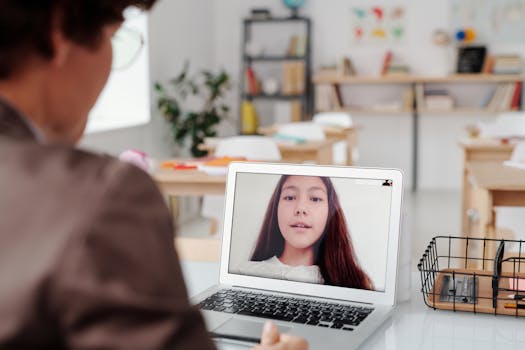
italki: This platform is a game-changer. It connects you with native-speaking tutors for one-on-one lessons. You can find tutors for almost any budget, and the flexibility is amazing. I’ve had some of my most insightful language learning moments during these personalized sessions, where my tutor could pinpoint my specific mistakes. It’s also a fantastic way to practice speaking in a safe, encouraging environment.
Coursera/edX: For a more academic approach, these platforms offer university-level language courses. They’re often free to audit, meaning you can access all the learning materials without paying for a certificate. This is great if you want to understand the linguistic structure and cultural context behind a language.
LingQ: This resource is a bit different. It’s built around reading and listening to authentic content. You can import articles or books, and LingQ helps you look up words and phrases, turning them into flashcards. It’s ideal for intermediate learners who want to expand their vocabulary and comprehension through real-world materials.
Immersing Yourself (Without Leaving Your Couch!)
True immersion is often cited as the fastest way to learn a language, but jetting off to another country isn’t always feasible. Luckily, there are ways to recreate that immersive feeling at home.
Language Exchange Partners: Websites and apps like Tandem and HelloTalk connect you with native speakers who are learning your language. You help them, and they help you! It’s a reciprocal learning experience that’s both fun and incredibly effective for practicing real-time conversation. You’ll learn slang, idioms, and cultural insights you won’t find in textbooks.
Consuming Media: This is perhaps the most enjoyable part! Watch movies and TV shows in your target language. Start with subtitles in your native tongue, then switch to subtitles in the language you’re learning, and eventually, try watching without any subtitles at all. Listen to podcasts, music, and radio. The key is to expose yourself to the language as much as possible. It’s surprising how quickly your ear adjusts to new sounds and rhythms.
Changing Your Device Language: A small but mighty step! Setting your phone or computer to your target language forces you to interact with it constantly. You’ll learn everyday words and phrases you might not encounter otherwise.
Unlocking the Secrets to Effective Learning
Finding the right resources is only half the battle. How you use them makes all the difference. Here are a few tips that have helped me on my own language learning journey.
Consistency is King: Even 15-30 minutes a day is more effective than one long session once a week. Little and often helps solidify what you’re learning.
Don’t Fear Mistakes: Everyone makes them. They’re part of the process. The important thing is to speak, write, listen, and read as much as you can. Embrace the awkwardness!
Find Your “Why”: What’s your motivation? Is it travel, career, connecting with family, or pure curiosity? Keeping your motivation front and center will help you push through the tough spots.
Mix and Match: Don’t rely on just one resource. A combination of apps for daily practice, a tutor for speaking, and media for immersion creates a well-rounded learning experience. This is truly the secret sauce when looking for the best resources for learning a second language.
Final Thoughts: Your Linguistic Adventure Awaits
The landscape of language learning resources has never been richer or more accessible. Whether you’re drawn to the gamified approach of apps, the structured learning of online courses, or the dynamic interaction of language exchange partners, there’s a perfect fit for you. The most crucial element, however, is your* commitment and willingness to dive in. So, which language will you start exploring first, and what resource are you most excited to try?