So, you’re diving into intermittent fasting (IF), feeling motivated, and looking forward to those delicious fasting benefits – increased fat burning, improved mental clarity, maybe even better insulin sensitivity. But then, the inevitable question creeps in: “Can I still have my beloved cup of coffee while I’m fasting?” It’s a question I hear all the time, and honestly, it’s a pretty crucial one for many of us. The good news? The answer is generally a resounding yes, but with a few important caveats. Let’s break down exactly does coffee interfere with intermittent fasting and how you can enjoy your java without derailing your progress.
The “Black Coffee is Your Fasting Friend” Phenomenon
Think of your fasting window as sacred time for your body to focus on repair and metabolic housekeeping. The primary goal of IF is to give your digestive system a break and encourage your body to tap into stored fat for energy. This is achieved by keeping insulin levels low.
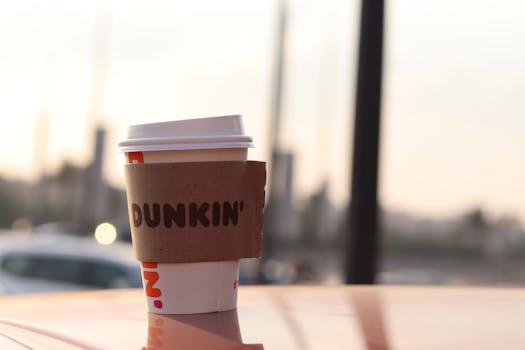
So, does coffee really interfere? When consumed black, without any added calories, coffee is generally considered “fasting-friendly.” In fact, many IF enthusiasts find that a morning cup of black coffee actually enhances their fasting experience. Here’s why:
Appetite Suppression: Coffee contains compounds that can help curb your appetite, making it easier to stick to your eating window and avoid those mid-fast hunger pangs.
Metabolic Boost: Caffeine is a stimulant that can give your metabolism a gentle nudge, potentially increasing calorie expenditure.
Enhanced Focus: For many, coffee sharpens focus and improves cognitive function, which can be a welcome benefit during a fasting period when you might otherwise feel a dip in energy.
It’s interesting to note that the minimal caloric impact of black coffee is usually negligible enough not to trigger a significant insulin response. This means your body can continue its fasted state.
When Your Coffee Gets Complicated: The “Breaking Your Fast” Culprits
Now, here’s where things get a bit more nuanced. While black coffee is usually fine, adding certain things can quickly turn your fasting-friendly beverage into a fast-breaker. The key is to avoid anything that significantly raises your insulin levels or provides caloric energy.
What are the usual suspects?
Sugar and Sweeteners: This is the most obvious one. Any form of sugar, honey, maple syrup, or even artificial sweeteners that trigger a sweet taste response can potentially disrupt your fast. While some debate the impact of specific non-caloric sweeteners, it’s generally safer to avoid them during your fasting window if you’re aiming for strict adherence.
Milk and Cream: Dairy milk, almond milk, oat milk, coconut milk – any of these, when added in significant amounts, introduce calories and carbohydrates that will break your fast. A tiny splash (like a teaspoon) is unlikely to have a major impact for most people, but if you’re aiming for precision, it’s best to skip it.
Butter or Oils (e.g., Bulletproof Coffee): While popular in some keto circles, adding butter or MCT oil to your coffee is essentially adding a significant amount of fat. This will break your fast because your body will start digesting and processing those fats.
The “Does Coffee Interfere with Intermittent Fasting” Nuance: Individual Responses
It’s important to remember that everyone’s body is different. While the general guidelines about black coffee are widely accepted, some individuals might find that even black coffee causes digestive upset or makes them feel less optimal.
Acidity and Digestion: For some, the acidity of coffee can be a trigger for heartburn or stomach discomfort, especially on an empty stomach. If this happens to you, you might need to reconsider your coffee intake during your fast.
Caffeine Sensitivity: Some people are more sensitive to caffeine than others. If coffee makes you jittery, anxious, or disrupts your sleep (even if consumed early in your fasting window), it might be worth experimenting with less or even none during your fast.
In my experience, listening to your body is paramount. If you feel great with black coffee, fantastic! If you experience negative effects, it’s a sign to adjust.
Beyond Black: What Else Can You Add?
If black coffee feels a bit too… well, black… and you’re wondering what else is permissible, the options are pretty limited if you want to truly stay in your fasted state.
Water: The ultimate fasting friend.
Unsweetened Tea: Green tea, black tea, herbal teas – these are all excellent zero-calorie options that can offer their own set of benefits, like antioxidants.
Sparkling Water: Plain, unflavored sparkling water is a great way to add some fizz without calories.
The goal is always to keep it under 50 calories and avoid triggering an insulin response. For most people practicing IF, the stricter you are during the fasting window, the more pronounced the benefits tend to be.
Navigating Your Fasting Journey with Coffee in Mind
So, to circle back to the core question: does coffee interfere with intermittent fasting? The answer is generally no, provided* you keep it black and devoid of calorie-containing additives. It can even be a helpful tool in managing hunger and boosting your metabolism during your fast.
However, it’s crucial to be mindful of what you add to your coffee and how your individual body responds. Experimentation is key. Pay attention to how you feel, your energy levels, and your progress. If your goal is strict autophagy or maximizing fat burning, keeping your coffee pure is your best bet. If you’re more focused on the timing of your meals and general health benefits, a tiny splash of milk might not be a deal-breaker, but it’s a trade-off you should be aware of.
Ultimately, intermittent fasting is a flexible tool, and coffee can absolutely be a part of a successful IF lifestyle. It’s about making informed choices that align with your personal health goals.
Final Thoughts: Brewing Up Your Best Fast
The takeaway is pretty clear: enjoying your morning coffee while intermittent fasting is not only possible but often beneficial, as long as you stick to the pure, unadulterated form. Black coffee can act as an ally, helping to suppress appetite and even give your metabolism a little boost, all without kicking you out of your fasted state. The moment you start adding cream, sugar, or sweeteners, you’re essentially signaling to your body that it’s time to digest, thereby breaking your fast.
It’s a simple rule, but one that can make a big difference in how effectively you leverage the power of intermittent fasting. So, go ahead and brew that cup, but keep it black and reap the rewards.
So, are you ready to experiment with black coffee during your next fast and see how it impacts your energy and hunger levels?